



Experience the Wild Unknown: Why Remote Backpacking in Gates of the Arctic Is the Challenge Adventurers Seek
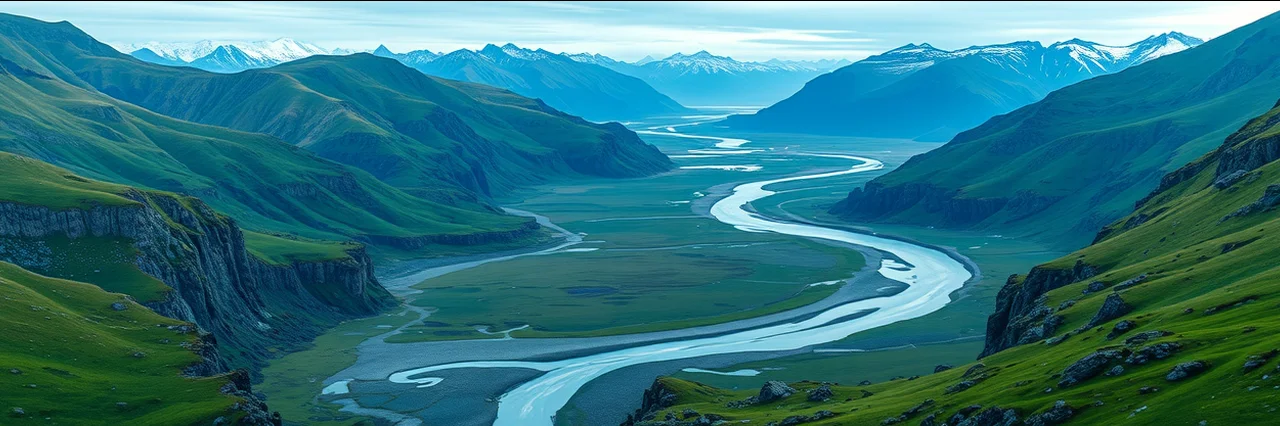
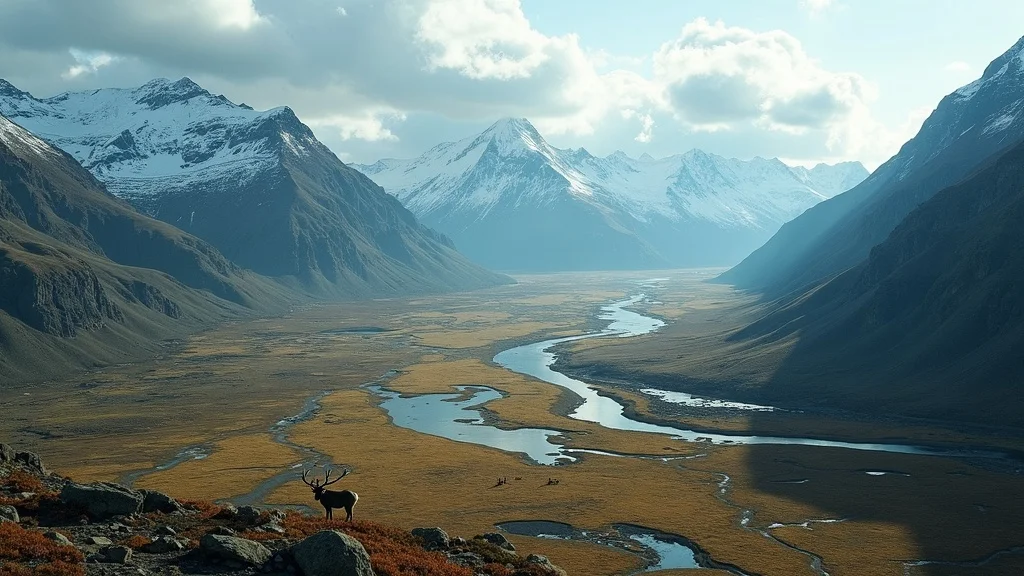
Imagine standing in a place where the only paths carved through ancient landscapes are those made by generations of migrating caribou. There are no roads to follow, no trails guiding your steps—just endless valleys, wild rivers, and the silent watch of distant mountains. It’s here, in Gates of the Arctic National Park and Preserve, that remote backpacking takes on a deeper meaning. While many travel to national parks searching for tranquility and adventure, this vast Alaskan expanse offers something even rarer: a genuine chance to test oneself in an environment almost untouched by modern hands.
This is not the park for casual picnics or day hikes on manicured paths; it is a land that demands respect, preparation, and an adventurous spirit. Gates of the Arctic is a premier wilderness, virtually unchanged except by the powerful forces of nature that shaped its glaciers and valleys over millennia. The idea of remote backpacking here is both thrilling and daunting. For those who step across its boundaries, the rewards include pristine silence, unbroken vistas, and a profound sense of self-reliance. Yet the commitment it requires is matched by the sheer magnitude of what’s preserved within — intact ecosystems, ancient migration routes, and a tapestry of natural wonders that have survived for over ten thousand years.
Understanding True Wilderness: What Makes Gates of the Arctic Remote Backpacking Unique?
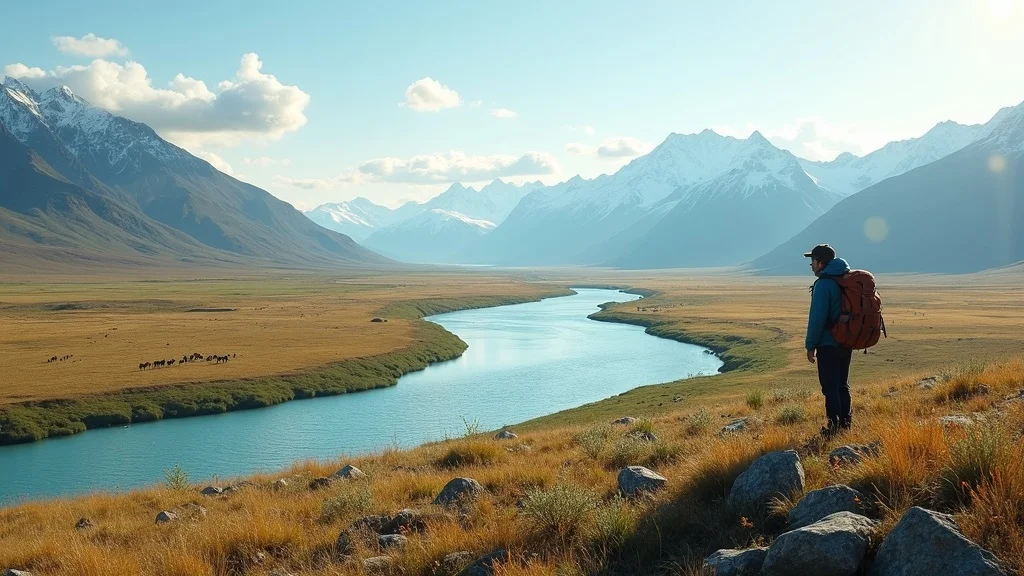
Remote backpacking in Gates of the Arctic National Park is unlike any other wilderness experience. Defined by the absence of roads, trails, and conventional infrastructure, the park covers a sprawling region in northern Alaska where human influence is minimal. Here, backpackers must rely on sound judgment, orienteering skills, and a deep respect for nature. Venturing into this untamed environment means accepting nature on its own terms. Navigating glacial valleys and traversing wild rivers, one quickly realizes that every decision matters. For those seeking solitude, wilderness adventure, and an escape from the digital world, this immersion is unmatched.
The concept of "true wilderness" is exemplified by Gates of the Arctic. In a world where many wildernesses are accessible by paved roads or dotted with backcountry lodges, this national park offers a rare chance to connect intimately with an ecosystem where people have lived with the land for over ten thousand years. The sense of adventure is further enhanced by the park’s renowned Wild and Scenic Rivers, the rhythmic migrations of caribou, and the endless cycle of midnight sun and aurora-lit skies. Failing to appreciate the logistics and seriousness of this environment can lead to real consequences, making preparedness—not just excitement—absolutely essential.
For those planning extended journeys in remote regions like Gates of the Arctic, having reliable power for essential devices can be a game-changer. Exploring portable solutions such as the Bluei Elite 200 V2 Power Station can help ensure your safety and comfort, especially when venturing far from established infrastructure.
How Remote Backpacking in Gates of the Arctic National Park Redefines Isolation, Resilience, and the Human Spirit
Gates of the Arctic National Park and Preserve stands as a living testament to the spirit of wilderness preservation and self-discovery. For those who heed its call, the value and benefits of remote backpacking here extend far beyond scenic views and physical endurance. Immersion in this landscape allows adventurers to discover what it means to be truly self-reliant—navigating terrain sculpted by ancient glaciers, responding to the pure forces of weather, and learning to read the subtle signs of wildlife and the land.
The opportunity to witness the migration trails of caribou, paddle down one of six designated Wild and Scenic Rivers, or simply watch the endless summer daylight give way to aurora-lit winter nights, is a privilege reserved for the intrepid. The absence of modern distractions—no cell towers, vehicles, or campsites—creates a rare space for introspection and authentic connection with nature. Many find their comfort zones stretched, their resilience tested, and their appreciation for the balance of wild ecosystems deepened by each moment spent in this pristine expanse. In a time where genuine solitude is increasingly rare, remote backpacking in Gates of the Arctic remains one of the last true escapes, offering new clarity about both the world and oneself.
From Ancestral Homelands to National Park: The Deep Legacy of Living with the Land
The region now known as Gates of the Arctic National Park has been home to indigenous peoples for more than ten millennia. The park’s current boundaries encompass not just intact ecosystems, but the traditional routes, fishing spots, and seasonal camps of generations who learned to thrive here long before it was a protected space. Remote backpacking today means tracing footsteps along age-old caribou trails and navigating river corridors essential to Native Alaskan subsistence lifestyles. These layers of human and natural history imbue every journey here with a profound sense of respect—and remind travelers that true wilderness is not empty, but deeply storied land.
By venturing into the Brooks Range and beyond, backpackers participate—if only briefly—in a legacy of living with the land, not simply passing through it. This perspective fosters a strong conservation ethic and a vital awareness of the delicate balances at play between humans and the environment. Gates of the Arctic is not an untouched world, but one shaped by traditional knowledge, seasonal rhythms, and resilient adaptations, making every trek a lesson in humility and wonder.
Planning for Success: Understanding the Logistics and Rewards of True Wilderness Backpacking
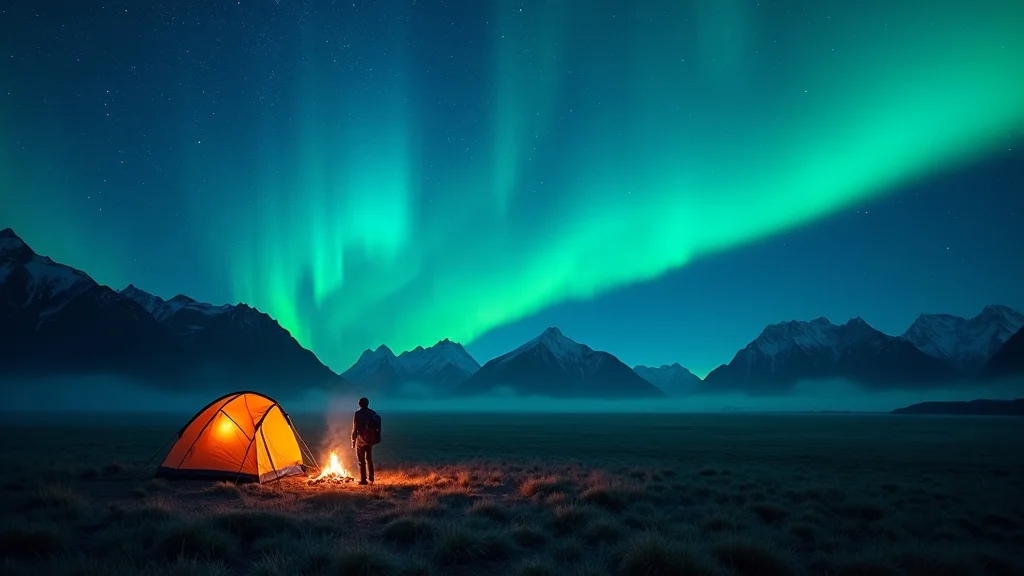
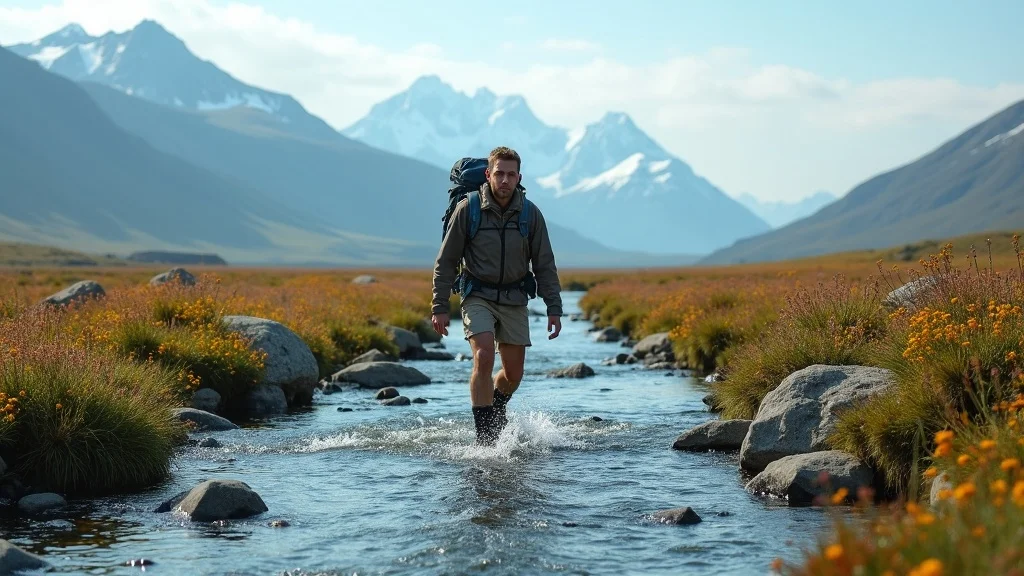
Embarking on a remote backpacking journey in Gates of the Arctic requires thoughtful planning and a clear-eyed assessment of risks and rewards. With no marked trails, bridges, or park infrastructure to rely on, each group or solo adventurer must prepare for complete self-sufficiency. From arranging bush plane drop-offs to carefully plotting river crossings and daily progress, backpackers face logistical challenges unlike those in more developed parks. Preparation also means understanding weather patterns, river behavior, wildlife safety, and the limits of one’s physical and navigational abilities.
Yet the rewards for this detailed preparation are extraordinary. Each mile traveled by foot or packraft reveals untouched valleys, turquoise rivers bordered by dramatic peaks, and the exhilarating sense of discovery that comes only with true exploration. Time here is measured not in hours or days, but in the accumulation of moments: the quiet awe of midnight sun, the primal satisfaction of a successful river crossing, and the sight of wolf tracks on a gravel bar. For many, Gates of the Arctic becomes a once-in-a-lifetime experience that forever reshapes their understanding of the natural world.
Seasonal Wonders and Natural Phenomena: Embracing the Ever-Changing Arctic Landscape
Remote backpacking in this vast national park delivers a remarkable spectacle of changing seasons. Summer brings nearly endless daylight, giving backpackers the flexibility to travel on their own schedules and marvel at the vibrant palette of tundra blooms. As the months shift, the skies themselves become performers—the auroras casting emerald and violet dances across the expansive darkness of winter nights. These cycles not only influence route planning and gear choices, but also inspire profound wonder and respect for the rhythms of the natural world.
The region’s rivers—carved by ice and time—offer both navigational routes and exhilarating challenges. Floating the Wild and Scenic Rivers, as many seasoned travelers recommend, exposes visitors to the diversity of life along the water’s edge and the changing moods of the landscape from glacier to lowland. No two visits are ever the same; the land is in constant motion, eternally shaped by forces of nature and time.
Gates of the Arctic National Park: A Center for Wilderness Science and Conservation Philosophy
The approach taken at Gates of the Arctic National Park and Preserve exemplifies a deep reverence for natural processes and the human legacy intertwined with this place. Its mission is built on preserving intact ecosystems and supporting the continuation of traditional lifestyles within the Brooks Range. By eschewing development, roads, and artificial trails, the park keeps the landscape as pure and undisturbed as possible, allowing both wildlife and human visitors to experience true wilderness on its own terms.
Park management upholds the belief that meaningful engagement with wilderness fosters both humility and practical knowledge. Their philosophy prioritizes careful stewardship—balancing the legacy of indigenous use with the needs of modern adventurers. The stories emerging from this region, from tracking caribou by GPS collar for vital ecological research to teaching generations about geothermal and glacial processes, speak to an enduring commitment to discovery, learning, and respect. This ethos ensures that remote backpacking will continue to offer profound lessons and rare experiences for future generations.
Further, through virtual experiences and public outreach, the park extends its educational mission to those who may never visit but are nevertheless inspired by its wild example. Those who do journey into Gates of the Arctic carry with them a responsibility—to both tread lightly and to serve as advocates for the preservation of the last, great wildernesses left on Earth.
What Real Adventurers Say: Unforgettable Moments in a True Wilderness
For many, words can hardly capture the overwhelming sense of awe that comes from backpacking these remote wilds. Yet, reviews from those who have experienced Gates of the Arctic firsthand provide invaluable insights. Whether recounting the thrill of a bush plane landing by a glacial river or describing the silence broken only by the wind, these accounts reveal both the challenge and reward of venturing so far off the beaten path.
Our plane dropped us off in the national park right by the Ambler River. The location was breathtaking! A sight I will honestly never forget! Turquoise river and mountains in the background. I just wished I could've spent more time in the park to see more!
The memories created in this environment grow even more meaningful with time. Those willing to take on the logistics, uncertainty, and rigors of remote backpacking in Gates of the Arctic emerge with stories and insights that can only be earned. For anyone seeking a life-changing adventure, the validation of countless explorers speaks to a journey worth the effort and discovery.
Why Remote Backpacking in Gates of the Arctic Is a Rare Opportunity for Modern Explorers
In a world where wild land is increasingly rare and accessible solitude is in danger of becoming a memory, Gates of the Arctic National Park stands as an enduring sanctuary. Remote backpacking in this region isn’t just a recreational activity—it’s an invitation to rediscover essential qualities of resilience, self-reliance, and environmental harmony. Every experience in the park, whether watching the auroras or braving a river crossing, is enriched by the region’s commitment to preservation and education.
The expertise and stewardship philosophy behind Gates of the Arctic set a powerful example for wilderness management nationwide. For those compelled by adventure and reflection, pursuing a journey here means engaging deeply with wild Alaska, learning about oneself, and coming to appreciate the unbroken beauty that still exists. Gates of the Arctic National Park and its remote backpacking opportunities offer a glimpse into what is possible when nature is allowed to thrive—and humans remember how to walk softly in landscapes older than memory itself.
If the idea of venturing into true wilderness excites you, consider how the right gear and preparation can elevate your experience even further. Exploring innovative solutions like the Bluei Elite 200 V2 Power Station can provide peace of mind and added flexibility for extended journeys, whether you’re deep in the Arctic or traveling in your RV across the country. As you plan your next adventure, think about how technology and thoughtful planning can help you embrace the wild with confidence and comfort. For more inspiration and practical tips on powering your explorations, discover how modern adventurers are staying connected and self-sufficient in the most remote places.
Contact the Experts at Gates of the Arctic National Park and Preserve
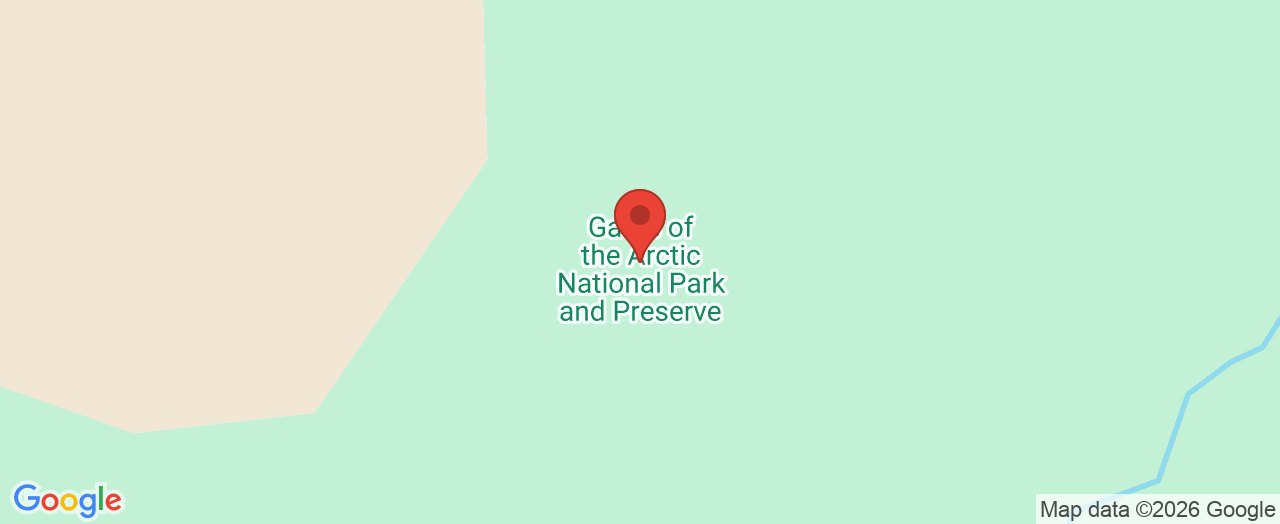
If you’d like to learn more about how remote backpacking in true wilderness could benefit your outdoor adventures and personal growth, contact the team at Gates of the Arctic National Park and Preserve. 📍 Address: Alaska, USA 📞 Phone: +1 907-459-3730 🌐 Website: https://www. nps. gov/gaar/index. htm
Gates of the Arctic National Park and Preserve Location and Availability
🕒 Hours of Operation: Please inquire with the park directly for current visitor access hours and seasonal considerations.


Write A Comment