
Add Row
Add Element
RV Otter
update

Ride With RV Otter

update
Add Element
  • Home
  • Categories
    • Destinations & Routes
    • Campground Reviews
    • RV Tips & Lifestyle
    • Gear & Essentials
    • On-the-Road Living
    • Traveling with Pets
    • Stories & Adventures
    • RVing on a Budget
    • Boondocking
    • Campground Reviews
    • RV Lifestyle News
    • National Parks
    • State Parks
    • Extra News
    • Central Oregon Coast
    • National Forest
    • Shopping
    • Rentals
    • RV Resorts
    • Business Directory
    • RV Sales & Rentals
    • Destinations
    • Campgrounds & Stays
    • Gear & Rentals
    • RV News & Resources
    • RV Dealerships
    • Destinations 2
  • Businesses
  • Wildlife Refuges
Add Element
  • update
  • update
  • update
  • update
  • update
  • update
  • update
April 20.2026
1 Minute Read

Unlock the Magic of Dry Tortugas National Park Snorkeling

Dry Tortugas National Park snorkeling Fort Jefferson and turquoise waters, sunny day

Dry Tortugas National Park

📍 Address: Florida, USA

📞 Phone: +1 305-242-7700

🌐 Website: https://www.nps.gov/drto/index.htm

★★★★★
Rating: 4.8

Where History Meets the Deep Blue: Why This Snorkel Adventure Is Like No Other

Imagine waking up at dawn, your sense of anticipation building, knowing you’ll soon set sail for one of America’s most remote and enchanting national parks. Nearly 70 miles west of Key West, where the horizon blurs into endless ocean, lies Dry Tortugas National Park. Here, the world changes: turquoise waters stretch for miles, and one of the largest masonry structures, Fort Jefferson, rises dramatically from the sea—a solitary, historic fortress surrounded by vibrant marine life. The journey itself, whether by ferry or seaplane, feels like an odyssey. For many, this park is more than a destination—it's a time capsule of wild beauty and American history, protected by its nearly inaccessible location.

The promise of Dry Tortugas National Park snorkeling lures adventurers, marine enthusiasts, and curious explorers alike. Crystal-clear reefs teem with colorful fish, while coral gardens undulate beneath the sunlit surface. This isn't your everyday beach trip—it's a rare combination of natural wonder, living marine habitats, and stories preserved in weathered brick and shipwrecks below. The park’s isolation and limited daily visitors create a sense of exclusivity, but also build tension: spots fill months in advance, and travelers must plan, persevere, and sometimes even gamble on last-minute tickets. Why do so many go to such lengths? Because what awaits—from the protected shoals to the vibrant aquatic life beneath historic ramparts—is unlike any snorkel experience found elsewhere in the United States.

Snorkeler exploring turquoise waters by Fort Jefferson at Dry Tortugas National Park

Diving Into the Details: What Makes Dry Tortugas National Park Snorkeling Stand Out?

Dry Tortugas National Park snorkeling is so much more than slipping on a mask and fins. Comprised of seven tiny islands and almost 100 square miles of marine sanctuary, the park is accessible only by water or air, adding an element of wild adventure to even the journey itself. Snorkelers find themselves immersed in untouched turquoise waters, ringed by reefs that host an astounding array of sea creatures—schools of vivid fish, playful dolphins, gentle sea turtles, and the mystery of submerged shipwrecks. Unlike many popular snorkeling sites that crowd the senses and the seascape, Dry Tortugas remains uncluttered, wild, and deeply serene.

For those planning an extended adventure or seeking to enhance their travel experience with reliable gear, exploring portable power solutions can be invaluable—especially when venturing to remote destinations like Dry Tortugas. RVers and outdoor enthusiasts may find insights on the benefits of the Bluei Elite 200 V2 Power Station particularly useful for ensuring comfort and convenience during off-grid excursions.

The significance of this park for marine life and historic preservation can’t be overstated. Fort Jefferson’s coral-draped mote walls and beaches create a natural habitat, benefiting both underwater life and human understanding of coastal ecosystems. Adventurers who dismiss the logistical challenge of reaching Dry Tortugas risk missing out on living, breathing history and seeing the kind of thriving reef that’s increasingly rare in today's world. Less than 1% of the park is dry land, so to truly appreciate its splendor, visitors must embrace the water. Those unprepared, or who try to make plans at the last minute, often face disappointment—reminding us how valuable, yet fragile, the opportunity to experience this protected wonder truly is.

Aerial view of Fort Jefferson in turquoise Dry Tortugas National Park waters

How Snorkeling at Dry Tortugas National Park Transforms the Way We See Nature and History

As a national park, Dry Tortugas serves as both guardian of natural beauty and historical legacy. Its philosophy is rooted in creating immersive, respectful connections between visitors and some of the most unique environments in the United States. The park’s approach combines preservation with thoughtful exploration: while snorkeling and wildlife viewing are encouraged, visitor numbers remain limited to protect both delicate marine life and the serenity of the setting.

The main benefit of Dry Tortugas National Park snorkeling is the way it bridges learning, recreation, and conservation. From the first dive beyond Garden Key, the magic is immediate: snorkeling past the mammoth brick walls of Fort Jefferson, you might spot barracuda lurking in the shadows or parrotfish darting among vibrant corals. The crystal waters allow even beginners to feel at ease, while more adventurous swimmers can explore shipwrecks and deepwater reefs. Without the noise and congestion of busier coastal spots, moments of quiet awe are frequent, ensuring treasured memories—and a deeper understanding of the fragile beauty of America's oceans—are carried home long after the trip ends.

From Unreachable Fortress to Underwater Playground: A Tale of Two Attractions

Snorkeler over coral reef with Fort Jefferson in background at Dry Tortugas

The juxtaposition of Fort Jefferson’s imposing walls and the dazzling seascape below is nothing short of cinematic. Built in the 19th century, this massive masonry fort has witnessed centuries of American history and has become a silent sentinel over delicate coral reefs and thriving marine life. Exploring the fort on Garden Key, visitors walk in the footsteps of soldiers, builders, and even prisoners, gaining intimate knowledge of life long ago—then trade hiking boots for fins and discover a world of color and movement just offshore.

This blending of terrestrial and underwater exploration is unique. While some national parks separate history and nature, Dry Tortugas fuses them, offering narrative-rich tours, ranger-led programs, and easily accessible snorkeling right off the main beach. It's a dynamic way to learn, where a morning of historical insight can be immediately followed by an afternoon of aquatic discovery, both elements reinforcing the importance of stewardship and the interconnectedness of land and sea.

Your Gateway to Rare Wildlife: Why Every Snorkel Tells a Story

Each time you slip beneath the gentle waves at Dry Tortugas, you become part of a living ecosystem that’s protected, dynamic, and teeming with surprises. The park is home to loggerhead turtles, countless swirling reef fish, delicate corals, and occasional sightings of sharks and dolphins. Shipwrecks scattered across the park create artificial reefs, serving as both habitats and history lessons for adventurous snorkelers and divers.

Beachgoers by turquoise waters and Fort Jefferson at Dry Tortugas National Park

The thoughtful management and limited accessibility of the park mean that each snorkel adventure provides remarkably clear water and healthy reef environments. Unlike shores suffering from overuse or pollution, the ecosystems here are resilient and radiant, giving visitors a glimpse into what Florida’s coasts once looked like. For marine biology students, amateur naturalists, or anyone seeking pure discovery, snorkeling in these turquoise waters is a chance to see unspoiled habitats, contribute to minimal-impact tourism, and recognize their role in preserving America’s natural heritage.

Making the Most of Your Visit: Practical Advice for an Unforgettable Trip

Planning ahead is essential for a successful Dry Tortugas adventure. Given the park’s popularity and minimal daily capacity, tickets often sell out months in advance—an experience echoed by seasoned visitors and first-timers alike. Whether you opt for the high-speed ferry or scenic seaplane, securing your spot early eliminates the stress and risk of missing out.

Beyond just reserving transportation, smart visitors pack for remote travel: bring sunscreen, water, rugged footwear, and if camping, all necessary gear (facilities are limited). Snorkeling equipment is often included with ferry packages, but check details and consider bringing personal gear if you have special preferences. If you’re a fan of wildlife, keep binoculars handy—hundreds of bird species migrate through these islands every year. Embracing flexibility and a readiness for adventure ensures you’ll fully enjoy the rarefied air and water of Dry Tortugas National Park.

A Commitment to Preservation: Dry Tortugas National Park's Vision for Sustainable Exploration

Dry Tortugas National Park is grounded in a mission to balance public access with the safeguarding of irreplaceable resources. The park’s stewardship philosophy prioritizes respectful visitation, careful conservation, and compelling storytelling. Rangers and staff encourage visitors to “Plan Like a Park Ranger,” reinforcing the importance of advanced preparation and mindful activity within this fragile ecosystem.

The core ethos: foster deep appreciation while minimizing human impact. Interpretive tours inside Fort Jefferson are designed to spark wonder and learning, while all aquatic activity—including snorkeling—is regulated to prevent reef damage and protect breeding grounds. The park’s narrative, both historic and ecological, flourishes best when visitors come informed, curious, and committed to leaving no trace. By operating within these guidelines, Dry Tortugas remains both pristine and emotionally resonant, leaving lasting legacies for future generations.

Real Stories: How a Day in the Dry Tortugas Became Life-Changing

For many, visiting Dry Tortugas is more than a vacation—it’s a benchmark experience that lingers long after saltwater dries. One reviewer describes the emotional highs, logistical challenges, and unforgettable encounters that define a trip to this aquatic wonder. Getting to the park can demand patience and perseverance, but reward comes to those prepared for adventure and open to the day’s surprises.

Dry Tortugas National Park!!! With commitment issues come time issues. I did not buy tickets ahead of time online (they're sold out months in advance) so, i did the noble thing of waking up at 4:30 am to stand in the standby line, hoping to snag a no show person's spot. NOTE TO SELF: just buy the 24 hour parking at the lot across the check in building. Dont spend $100+ and stress about it while losing service on the ferry. Ugh. The first guy in line had arrived at midnight and slept on the first waiting bench. The lovely lady in front of me got in line at 04:30 am. I got there at 4:45 am, and the couple behind me drove from Key Largo that morning - a 2 hour drive! a few others trickled in past 6 am but only the five of us got spots. NOTE TO SELF: the standby list is a gamble, but if you get there early enough, you will probably get a ticket. Bring your national parks card for a discount, tickets are $250/person! I was not sure if I'd get into this national park, so I was, by extension, not super excited. That changed when they called my name off of the standby list clip board and we boarded the Ferry (BTW, Dry Tortugas is 70 miles FROM KEY WEST - only accessible by boat or plane). 2 hour ferry ride ( i brought ginger and only got nauseated at the end of the ferry ride otw there. i also still feel like i'm on a rocking boat. . . even now that im off) I HIGHLY recommend the 1. 5 hour tour - i honestly wish it was longer. Hollywood, our guide, is so incredibly passionate about this park. his enthusiasm is infectious. It gives amazing perspective, background, and answers all of the "why" questions when you realize there's a massive (for the 1800s - and honestly for today too) military base in the middle of seemingly nowhere. After that (12:30) grab some lunch 11am - 1 pm), provided as part of your ticket price (ps you get breakfast included otw there too). I ate on the beach, snorkeled (they provide gear for free), Walked the beach to one of the islands that is only open in winter, visited the park shop (had to get my sticker), and did a final exploration of the fort before heading back to the boat (2:45 pm is last call - you can camp on the island but you have to arrange that in advance). On the way back, I saw a shark, jellyfish, & dolphins. Every single one of the crew members were incredibly kind, and all took time to talk to me. they gave me tips on where the best snorkeling place was, talked about the cool places where they were from, thanked me for my enthusiasm (I was totally enamored the entire day by the Dry Tortugas). My life is literally better now that I've been here, experienced and learned about this amazing place. This is all to say that I cannot recommend this trip enough. So i'm making notes for my next visit (10000% camping next time!!!)

Travelers who venture to Dry Tortugas National Park often find the journey as transformative as the destination. Their testimonials point to newfound perspectives, memorable wildlife moments, and a deep appreciation for this singular place. By planning ahead and embracing the adventure, future visitors can enjoy these same life-changing memories and deepen their relationship with America’s wild waters and storied coastline.

Redefining Adventure: Why Dry Tortugas National Park Snorkeling Is Worth the Journey

As one of the last truly wild places accessible to the adventurous traveler, Dry Tortugas National Park snorkeling represents a rare opportunity to connect with both natural beauty and national history. The combination of remote turquoise seas, an iconic historic fort, and flourishing coral reefs offers an experience found nowhere else in the country. The park’s commitment to careful stewardship, immersive storytelling, and limiting visitor impact means each journey remains authentic and meaningful.

By embracing this spirit of exploration and respect, visitors gain not only a window into Florida’s past and present, but also play a role in ensuring the continued vitality of these waters for generations to come. Dry Tortugas National Park’s expertise in guiding, protecting, and educating is matched only by the memorable snorkeling adventures it offers under the shadows of Fort Jefferson and within its turquoise waters.

If you’re inspired to elevate your next outdoor journey, consider how the right equipment and preparation can make all the difference—especially for RVers and nomads seeking both adventure and comfort. For a deeper dive into optimizing your travel setup and discovering innovative solutions for life on the road, explore our comprehensive guide to the best power stations for RVers. This resource offers practical tips and advanced strategies to help you stay powered up and ready for any adventure, whether you’re snorkeling in remote waters or exploring new horizons across the country.

Contact the Experts at Dry Tortugas National Park

If you’d like to learn more about how dry tortugas national park snorkeling fort jefferson and turquoise waters could benefit your travel experience and appreciation of American heritage, contact the team at Dry Tortugas National Park. 📍 Address: Florida, USA 📞 Phone: +1 305-242-7700 🌐 Website: https://www. nps. gov/drto/index. htm

Dry Tortugas National Park Location and Availability

🕒 Hours of Operation: Please visit the official park website or call for current operating hours as schedules vary by season and by method of transportation to the park.
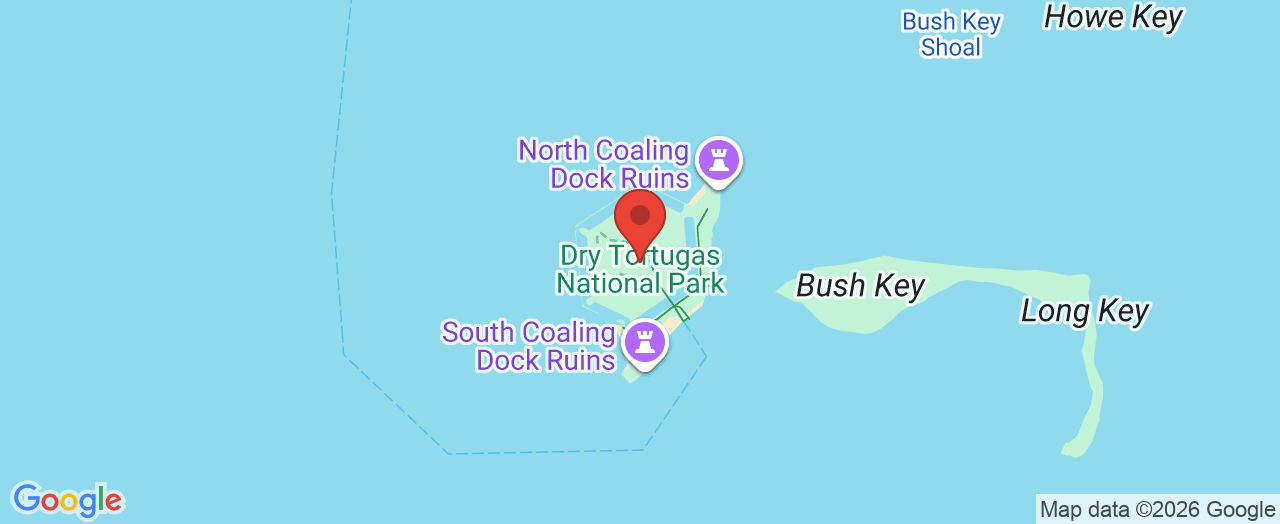
Location Map
National Parks

0 Comments

Write A Comment

*
*
Please complete the captcha to submit your comment.
Related Posts All Posts

Discover Denali National Park Wildlife Bus Tours Magic

Denali National Park & Preserve Headquarters 📍 Address: Denali National Park and Preserve, AK 99755, USA 📞 Phone: +1 907-683-2294 🌐 Website: http://www.nps.gov/dena/index.htm ★★★★★ Rating: 4.9 Experience the Untamed Majesty of Denali’s Wildlife and Rugged Peaks Imagine embarking on a journey through six million acres of uninterrupted Alaskan wilderness—a landscape where snow-dusted mountains rise above a patchwork of alpine tundra and boreal forest, and wild animals roam freely as they have for millennia. Denali National Park beckons those yearning for adventure with the promise of untouched solitude, wildlife encounters, and vistas crowned by North America’s tallest peak, Mount McKinley (Denali), standing at 20,310 feet. But how can you truly capture the essence of this legendary land and its elusive wildlife? The answer lies in the park’s thoughtfully curated wildlife bus tours, designed to thread visitors safely and sustainably through its fragile heart. For many travelers, the allure of Denali National Park is more than just its size and scenic grandeur: it’s the prospect of witnessing caribou meandering across open tundra, grizzly bears foraging, or Dall sheep perched on distant cliffs. Yet, without a guided experience, this enormous wilderness can feel overwhelming, and the chances of meaningful wildlife observation decrease. Denali’s unique bus system opens the door, quite literally, to adventure. Limiting road access primarily to buses from late May to mid-September, the park preserves its pristine ecosystems while granting visitors a front-row seat to its breathtaking sights. Unpacking the magic of Denali’s wildlife bus tours is not just about seeing incredible animals—it’s about understanding a vast and complex ecosystem, one that’s increasingly rare in today’s world. Denali Wildlife Bus Tours: Your Gateway to Alaska’s Wild Heart The concept of wildlife-focused bus tours at Denali National Park is not only practical—given the park’s size and limited road, these guided journeys have become an essential part of the Denali experience. Designed to minimize environmental impact while maximizing access, these tours grant visitors a window into habitats that remain largely untouched by development. Along the park’s only road, guests traverse a striking range of ecological zones: starting in low-elevation taiga forests alive with songbirds and migrating to sweeping tundra plains where wolves, bears, and moose may be spotted against the dramatic backdrop of glacier-fed rivers and rocky outcrops. Missing out on a wildlife bus tour in Denali can mean more than just a missed photo opportunity—it can be a lost chance to fully immerse yourself in a rare place where nature, not humans, sets the pace. Without guidance, many visitors underestimate the distances, wildlife safety protocols, and the unpredictability of the wild. Park experts recommend joining structured tours not just for convenience, but for learning deeply—interpreters and rangers onboard often share stories, point out hidden wildlife, and educate guests about Denali’s ever-changing ecosystems. Knowledge, context, and stewardship transform what could be just a ride into one of the most memorable days in the North. For those planning extended adventures in Alaska’s remote landscapes, having reliable power on the road can make all the difference. If you’re an RV traveler seeking to enhance your journey through Denali and beyond, consider exploring the best deals on the Bluei Elite 200 V2 power station for RVers, which can help ensure comfort and convenience during your wilderness explorations. Why Denali National Park Wildlife Bus Tours Redefine Wilderness Exploration Denali National Park & Preserve Headquarters curates experiences that transcend mere sightseeing, inviting visitors to witness wildlife up close while preserving the park’s unrivaled tranquility. Wildlife bus tours are much more than a shuttle—they are a thoughtfully orchestrated journey designed to keep both visitors and animals safe while fostering a connection to the land. This balanced approach ensures that park guests can spot caribou, wolves, brown bears, and Dall sheep in their natural environment—all while remaining respectful of established distance guidelines to protect both species and spectators. Every wildlife bus trip offers the serendipity of discovery: a fleeting glimpse of a bear fishing by a river, or a bird of prey soaring above alpine ridges. Guests share collective excitement, learning not only about animal behaviors and habitats but about the geological forces that shaped Denali’s iconic mountain views. For families, naturalists, and first-time adventurers alike, these tours transform the vastness of Denali from something intimidating into an inspiring story shared with fellow travelers amid Alaska’s grandeur. From Tundra to Taiga: Unraveling Denali’s Dynamic Natural Zones One of the most remarkable aspects of Denali’s wildlife bus tours is the gradual transition visitors experience as they move from dense taiga forest to wind-swept tundra and finally to scree slopes at the foot of Denali’s mountain walls. This journey through distinct habitats offers a living lesson in biodiversity, as each ecological zone supports different communities of plants and animals. Sighting a moose among willow thickets in the boreal zone, followed by a golden eagle launch from the alpine ridges, underscores the interconnectedness and adaptability of wildlife living in such variable conditions. This cross-section of Alaska’s natural world leaves an indelible mark on visitors, many of whom are surprised by the sheer variety of ecosystems navigated in a single day. Guided interpretation unlocks the stories written in the landscape, revealing how Denali’s glacial history continues to shape both land and life. The tour is not only a journey along a road but a journey through time—reminding guests how the past, present, and future of the region are tied intimately to its wilderness. Wildlife Safety and Stewardship: Essential Principles in Denali Bus Tours Denali National Park’s ethos centers on respecting the natural order—an approach reflected in every aspect of its wildlife bus operations. Guests are urged to maintain critical distances from animals (300 yards from bears, 25 yards from others) and are taught not to feed or disturb creatures they encounter. This fosters a culture where humans are guests, not intruders, ensuring the longevity and health of Denali’s wild residents. Every tour emphasizes the responsibility that comes with observing wildlife: learning about animal habits, understanding the need for pristine habitats, and taking actions that preserve this legacy for the next generation. By instilling these stewardship values, the park transforms every visitor into a potential advocate, carrying lessons learned in Denali back home to inspire wider conservation efforts. How Denali’s Road System Shapes Your Adventure and Protects the Park Unlike many national parks, Denali is traversed by a single main road, much of which is closed to private vehicles during peak summer months. This policy preserves the silence and solitude that define Denali’s wilderness while reducing stress on delicate ecosystems. It’s a logistical solution that elevates the visitor experience, concentrating wildlife opportunities along a road that feels more like a hidden ribbon than a bustling thoroughfare. Maps and carefully scheduled buses help visitors access key viewpoints, trailheads, and wildlife hotspots without compromising the park’s wild essence. Knowledgeable drivers and guides provide navigation and context, helping guests feel secure and informed throughout the journey. Instead of traffic jams and crowded overlooks, you’ll find wide-open panoramas and rare moments of quiet awe. The Headquarters Perspective: Facilitating Discovery While Honoring Tradition At the core of Denali National Park & Preserve Headquarters’ philosophy is a belief in mindful access—making Denali’s wonders available to all while protecting the integrity that makes the park special. Bus tours are crafted not simply for transportation, but as immersive education experiences, designed in step with the park’s larger mission: to let people explore at their own pace, connect with nature, and become part of the ongoing story of conservation in Alaska. This commitment to balance extends to every layer of planning: from highlighting the park’s dramatic mountain views and cultural stories, to championing respect for animal boundaries and seasonal rhythms. Whether a visitor stays for a few hours or several days, the park aims to provide tools, context, and support—empowering each traveler to truly make their Denali visit their own. This approach is evident in every detail, from expert recommendations on best spots to experience the mountain at sunset, to winter programs inviting guests back for a wholly new kind of Alaskan adventure. By placing education, stewardship, and visitor choice at the center of its programs, Denali serves as a model for what national parks can achieve at the intersection of access, preservation, and inspiration. Real Experiences: A Guest Finds Freedom on the Denali Trails Every transformative journey in Denali is made more vivid when seen through the eyes of ordinary travelers. One guest’s experience illustrates the park’s remarkable ability to combine structure and freedom for all visitors, whether they ride a wildlife bus or choose their own adventure amid the wild. Their words capture the wonder, autonomy, and inspiration that Denali fosters for everyone who visits. A really interesting visit we enjoyed here. Apparently not many people do actually camp here but we had a fantastic time with great weather and just amazing nature. It’s cool how you are absolutely free to make your Denali visit your very own. You decide the drop-off, you decide tour path. . . AMAZING! The sense of liberation and awe in this review echoes what so many feel after exploring Denali through its wildlife bus tours: a world-class blend of guided insight and genuine discovery, where each trip becomes an unforgettable story. Those who travel these routes not only see Alaska’s most striking wilderness—they become part of its living legacy. Denali’s Wildlife and Mountain Views: A Journey Worth Every Mile Choosing to experience Denali National Park’s wildlife bus tours and awe-inspiring mountain views means much more than just checking a box off your travel list. It’s an opportunity to step into a landscape of story and science, to see the world as it once was—and could still be—with pristine ecosystems and flourishing wildlife. With its carefully balanced approach, unique road system, and passionate educational mission, Denali National Park & Preserve Headquarters guides every visitor toward responsible adventure, deeper understanding, and pure immersion in Alaska’s grandeur. For anyone considering a trip north, remember: the wonder of Denali can be experienced by all who respect its wild heart. It is this spirit of respect, exploration, and knowledge that makes Denali’s approach to wildlife bus tours and mountain views a benchmark for national parks everywhere. If you’re inspired to elevate your next wilderness journey, consider how the right gear and preparation can transform your experience in remote places like Denali. Exploring the advantages of portable power solutions, such as those highlighted in the Bluei Elite 200 V2 power station guide for RVers, can help you stay connected and comfortable while embracing the wild. As you plan your adventure, remember that thoughtful choices—both in travel and equipment—can deepen your connection to nature and ensure every mile is as rewarding as the last. Let your curiosity lead you to new horizons, where preparation meets the magic of discovery. Contact the Experts at Denali National Park & Preserve Headquarters If you’d like to learn more about how denali national park wildlife bus tours and mountain views could elevate your adventure and understanding, contact the team at Denali National Park & Preserve Headquarters. 📍 Address: Denali National Park and Preserve, AK 99755, USA 📞 Phone: +1 907-683-2294 🌐 Website: http://www. nps. gov/dena/index. htm Location and Hours for Denali National Park & Preserve Headquarters 🕒 Hours of Operation: Not specified. For current hours and park operational updates, visitors are encouraged to check the official Denali National Park site or contact by phone.

Discover Cuyahoga Valley National Park Waterfalls Hidden Gems

Cuyahoga Valley National Park 📍 Address: Ohio, USA 📞 Phone: +1 440-717-3890 🌐 Website: https://www.nps.gov/cuva/index.htm ★★★★★ Rating: 4.8 Unlocking the Secrets: Why Cuyahoga Valley’s Waterfalls, Towpath Biking, and Scenic Railroad Fascinate Adventurers Every year, millions of Americans search for places that blend rugged beauty, accessible trails, and a breath of fresh air just outside the city. Cuyahoga Valley National Park delivers all this and more—a place where nature’s artistry is on display, where waterfalls carve secret havens, and a historic towpath winds alongside the Cuyahoga River’s revived flow. But what most visitors miss are the deeper stories: Hidden cascades tucked away from the main view, bike routes offering glimpses into the park’s rich past, and railroad journeys that let you see it all without breaking a sweat. In a world quickly forgetting the gifts of the outdoors, these experiences are more vital—and more healing—than ever. The connection between people and wild places grows ever more important as urban areas expand and digital lives consume more hours of the day. Easy access to scenic beauty and recreational opportunities can make all the difference, not just for weekend warriors but also for families, history buffs, and birdwatchers alike. This is where Cuyahoga Valley’s unique tapestry unfolds: a blend of waterfalls glistening after a rain, the rhythmic hum of bicycles along a historic towpath, and the nostalgic whistle of a scenic railroad gliding through rolling hills. For anyone seeking the restorative power of nature—without traveling to the distant wilderness—understanding how to explore these gems could redefine what a perfect day outdoors truly means. Nature’s Masterpieces and Storied Trails: The Allure of Cuyahoga Valley’s Waterfalls, Bike Paths, and Railroad At the heart of Cuyahoga Valley National Park are its waterfalls—dynamic symbols of renewal and patient artistry. Though nestled just beyond the reach of Akron and Cleveland, these falls have witnessed centuries of change. Brandywine Falls, Blue Hen Falls, and other lesser-known cascades not only attract photographers and hikers, but also serve as windows into millennia of geological transformation. Each visit brings new moods, from roaring spring melt to delicate icicles in winter. For those unacquainted with the land’s dramatic past and present, these waterfalls are more than postcard moments; they represent why the park became a sanctuary for both wildlife and people seeking escape from the everyday. The Ohio & Erie Canal Towpath Trail links these natural wonders with a palpable sense of history. Stretching for miles, it lets you ride or stroll the very path where canal boats once charted a revolutionary course for commerce and migration. Today, the towpath is a haven for bikers, joggers, and families who long for movement amid leafy canopies. Meanwhile, the Cuyahoga Valley Scenic Railroad offers a no-effort panorama, curving alongside the river, waterfalls, and fields alive with native wildflowers. Missing out on these layered experiences means skipping a vital connection to Ohio’s past and missing easy access to the uplifting power of the present. For those planning extended outdoor adventures in the park, having reliable portable power can make a significant difference—especially for RV travelers or anyone looking to stay connected while exploring. Discover how the Bluei Elite 200 V2 Power Station can enhance your Cuyahoga Valley experience by providing dependable energy for your devices and gear, ensuring your journey remains comfortable and convenient. Learn more about the benefits for RVers and outdoor enthusiasts at this comprehensive guide to the Bluei Elite 200 V2 Power Station. Why Cuyahoga Valley’s Scenic Adventures Transform the Way You Experience Nature The team behind Cuyahoga Valley National Park has long emphasized the park as a living canvas—both a refuge for native species and a gateway for human discovery. Trails wind through forests and old farmlands, inviting anyone to embark at their own pace. The abundance of hiking routes, coupled with the seamlessly maintained towpath, empowers every visitor to craft their own adventure—whether that’s chasing waterfalls beneath towering trees or pedaling quietly past fields and marshes. From beginners taking their first steps outside to seasoned naturalists spotting elusive birds, these offerings bridge the divide between accessibility and authentic natural immersion. As park information highlights, the Cuyahoga River’s rebirth—from once-polluted channel to vital lifeline—mirrors the transformative experience available to visitors. The cultural and historical layers accessible along the towpath and through railroad rides speak to a broader shift: Here, learning, recreation, and wellness intersect. The park’s commitment to preserving diverse habitats means guests have front-row seats to seasonal wildflowers, wetlands teeming with life, and centuries-old canal relics all in one place. This diversity of experience is both an invitation and a promise—what you discover here can inspire a new commitment to wellness, conservation, and community engagement. From Cascading Waterfalls to Historic Trails: Encountering the Unexpected in Cuyahoga Valley It isn’t just the size or sound of waterfalls that make them unforgettable within Cuyahoga Valley National Park—it’s the sense of discovery woven into every visit. Waterfalls large and small, some hidden along side trails and some splashing openly, create a dynamic landscape that changes with the seasons. Explorers are treated not just to the natural spectacle, but also to a sense of accomplishment in uncovering something few others may have seen that day. This layers an element of personal connection into each adventure, urging guests to look beyond the obvious and appreciate the untouched, living heart of the park. The historic towpath trail adds even more depth, transforming a bike ride or walk into a journey across eras. Remnants of the Ohio & Erie Canal are visible beside stretches of gently rolling trail, reminding cyclists and hikers that every mile is shared with history. Meanwhile, those who opt for the scenic railroad gain a unique perspective not available from any overlook or footpath—sweeping views, effortless travel, and an immersion in local storytelling as the landscape unfolds beyond train windows. Together, these options let every visitor customize their adventure, blending exertion, curiosity, and restoration. Making Every Visit Different: Trail Variety, Wildlife, and All-Season Enjoyment One of the park’s greatest strengths is its adaptability—over 125 miles of hiking trails, plus year-round accessibility, mean that every visit can offer something new. Spring arrives with a festival of wildflowers highlighted in park programming, while autumn cloaks the hills in fiery reds and golds. Winter transforms the waterfalls into icy sculptures and quiets the trails for peaceful reflection. The ever-changing landscape, paired with a vibrant wildlife population from marshes buzzing with birdlife to quiet forests echoing with deer tracks, ensures that each trip can be tailored to mood, weather, or curiosity. With such richness, the park becomes more than just a destination for a one-time sightseeing trip; it encourages frequent return and deeper connection. Whether following the recommendations in the park’s helpful “Top 10 Tips” for visitors, or spontaneously heading out for an afternoon on the towpath, the combination of waterfalls, trails, and the scenic railroad proves endlessly rewarding. For families, solo adventurers, and groups of all ages, this means true flexibility—embracing both physical activity and contemplative rest, all against Ohio’s unfolding natural tapestry. The Power of Preservation: Connecting Past and Present in Every Step Cuyahoga Valley National Park owes much of its character to intentional conservation and a practical commitment to education. The park’s approach is grounded in maintaining habitats for native species, designing trails that protect wetlands and cultural landscapes, and making information easily accessible. Every path, from waterfall overlooks to the historic towpath, is maintained not just for aesthetics but to foster learning and stewardship. Signage and accessible programming connect visitors to layers of local history spanning from Native American inhabitation through the industrial era, and into present-day restoration efforts. This purpose-driven management ensures that visitors interact with more than just scenery—they experience a living narrative. The presence of historic canal locks, 1800s relics, and old farmlands are reminders that the park sits at a unique intersection of natural renewal and human endeavor. The National Park Service’s dedication to creating a safe, welcoming environment for self-directed exploration means that personal discovery is at the core of every visit, whether you are marveling at Brandywine Falls or riding the scenic railroad along the river’s path. Cuyahoga Valley’s Vision: Protecting Nature, Inviting Discovery Across All Generations The stewardship guiding Cuyahoga Valley National Park runs deeper than simply maintaining trails and waterfalls. As a living remnant between two urban centers, the park serves as both protector and storyteller—preserving wetlands, historic routes, and biodiversity while extending an open invitation for all to connect with nature. The central philosophy is clear: Conservation, recreation, and education are not separate threads but vital, interwoven elements. This mission is reflected in the park’s focus on accessibility, its year-round programs for families and volunteers, and the thoughtful preservation of historical features alongside vibrant habitats. The emphasis isn’t just on seeing nature, but on fostering a collective sense of belonging and responsibility. With tools, resources, and guided tips available, every visit becomes an opportunity for learning and inspiration—turning a walk to a waterfall or a ride on the scenic railroad into a personal connection with Ohio’s living heritage. Experiencing Wonder: What Visitors Say About Uncovering Waterfalls and Trails Hearing directly from those who’ve journeyed through the park provides the clearest lens on its real impact. Visitors often share stories of rediscovery—both of natural beauty and of themselves—after stepping onto a hidden trail or rounding a bend to a lesser-known waterfall. For many, these moments turn a simple hike or bike ride into a memorable adventure, surprising even seasoned outdoor enthusiasts with the park’s variety and allure. One visitor, J. M. , describes how the park’s subtle wonders and accessible routes continue to draw newcomers and returning guests alike: Beautiful park with lots of hidden wonders. No admission fees. Great park to hike all seasons and the towpath makes riding bikes or just walking an ease. Historic items from early 1800’s to today are visible from the trails along with years and years of geological features. These pics are from 01/12/26 at a “hidden” waterfall trail. This is truly a gem in the National Parks system and everyone I’ve brought here from out of town always want to come back as it has so much to offer, except camping, sadly. The excitement voiced by those who’ve stepped off the main path is telling: Waterfalls, wildlife, and miles of accessible trails aren’t just amenities but invitations to explore deeper. Those willing to set aside a day—or even a few hours—often find an experience that outlasts the visit itself. Every step, pedal, or ride along the railroad becomes a story waiting to unfold, ensuring that the sense of wonder felt by today’s visitors is only the beginning. “A Living Legacy: Why Exploring Cuyahoga Valley Waterfalls, Trails, and Railroad Matters Now More Than Ever” Cuyahoga Valley National Park stands apart for those seeking waterfalls, towpath biking, and unique scenic railroad perspectives. Each of these elements—whether it’s the serenity of Blue Hen Falls after a rain or the thrill of exploring canal relics by bike—offers more than a recreational break. They frame a narrative of renewal, accessibility, and ongoing stewardship that redefines the relationship between people and public lands. Guided by an ethos of preservation and discovery, the park exemplifies what modern outdoor adventure should be: inclusive, educational, and endlessly rewarding. As an authority in resource management and public engagement, Cuyahoga Valley National Park contributes to both local heritage and the national park community at large. For those drawn to the tranquility of waterfalls, the heritage of canal paths, or the storybook scenery of a vintage railroad, the invitation stands: There is something here for everyone, every season, and every pace. Exploring these features is more than a checklist item—it’s a way to reconnect with places that matter, in ways that matter. In the rush of life outside, taking the time to know the park’s treasures today guarantees their presence for future generations. If you’re inspired by the hidden gems and restorative escapes found in Cuyahoga Valley National Park, consider expanding your outdoor toolkit with innovative solutions that support longer, more comfortable adventures. Exploring advancements in portable power, such as those highlighted in the Bluei Elite 200 V2 Power Station guide, can help you stay connected and prepared for any journey. For more ideas on maximizing your time in nature and discovering the best gear for RVers and explorers, visit the in-depth resource at RV Otter’s expert review of the Bluei Elite 200 V2 Power Station. Let your next adventure be both memorable and effortlessly equipped. Contact the Experts at Cuyahoga Valley National Park If you’d like to learn more about how Cuyahoga Valley National Park waterfalls, towpath biking and scenic railroad could benefit your outdoor adventures, contact the team at Cuyahoga Valley National Park. 📍 Address: Ohio, USA 📞 Phone: +1 440-717-3890 🌐 Website: https://www. nps. gov/cuva/index. htm Cuyahoga Valley National Park Location and Hours 🕒 Hours of Operation:📅 Monday: Open 24 hours📅 Tuesday: Open 24 hours📅 Wednesday: Open 24 hours📅 Thursday: Open 24 hours📅 Friday: Open 24 hours📅 Saturday: Open 24 hours📅 Sunday: Open 24 hours

Discover Crater Lake National Park Rim Drives’ Stunning Views

Crater Lake National Park 📍 Address: Oregon, USA 📞 Phone: +1 541-594-3000 🌐 Website: https://www.nps.gov/crla/index.htm ★★★★★ Rating: 4.9 Witness Nature’s Canvas: Why Crater Lake’s Rim Drives and Deep Blue Views Matter Picture standing on the edge of a vast volcanic caldera, your eyes drawn to a deep blue that defies description—clear, pure, and shocking in its brilliance. Crater Lake National Park is not just another stop on a nature lover’s itinerary; it’s a rare natural phenomenon vying for your attention and wonder, carved by fire and preserved by time. With every trip around the park’s iconic rim drives, visitors are confronted not only with panoramic vistas but with a profound sense of awe that has captivated people for millennia. Yet, for all the postcards and online galleries, nothing fully prepares you for the complexity and depth of this place or the responsibility that comes with visiting such a fragile ecosystem. The allure of Crater Lake lies not only in its breathtaking views but also in the journey to reach them—a journey that is as unpredictable as it is rewarding. From dramatic weather shifts to the challenge of forecasting visibility, travelers are encouraged to plan, adapt, and respect the forces that shape this extraordinary site. The rim drives wrap around fragile terrain atop the Cascade Mountain Range, offering more than sightseeing; they represent a dialogue with natural history, volcanic power, and conservation efforts. Understanding what makes Crater Lake’s rim drives unique doesn’t just enhance your trip; it helps you walk away with a deeper appreciation for geologic time, natural purity, and the careful stewardship that protects these blue waters for future generations. Peering into the Abyss: The Power and Purity of Crater Lake’s Rim Drives Crater Lake National Park rim drives and deep blue views stand as one of America’s most sublime natural experiences, inviting visitors into a landscape formed more than 7,700 years ago by the catastrophic eruption and collapse of Mount Mazama. Unlike most lakes worldwide, Crater Lake is fed entirely by rain and snow, making its waters among the purest and deepest found anywhere on Earth. This geological marvel provides visitors with a chance to see nature’s handiwork on a dramatic scale while traveling the rim—an engineering feat that allows for discovery without disturbing the park’s delicate ecosystem. Yet, experiencing the rim drives is about more than scenery. It is a lesson in geologic dynamism, unpredictable weather, and the fleeting beauty of high-altitude ecosystems. The rim roads often open and close with the seasons, affected by snowpack and stormy conditions that can shroud the lake’s famous blue beneath clouds in moments. For those unprepared, the disappointment of a hidden view can be sharp, and the risks of volcanic cliffs are real. Travel here demands respect and a willingness to learn—attributes that not only safeguard your adventure but protect the fragile balance of Crater Lake’s environment. How Rim Drives and Deep Blue Views at Crater Lake Enhance Every Visitor’s Journey Crater Lake National Park, recognized for its awe-inspiring visual experiences, curates the rim drive experience with a deliberate respect for the land’s past and future. Every turn along these historic routes offers a dynamic perspective of the lake’s indigo depths and surrounding Cascade scenery. The park’s commitment to conservation ensures that, even for large crowds, moments of personal reflection and solitude are possible—especially for those willing to traverse beyond the main viewpoints and onto the park’s many trails. For countless visitors, the rim drives have transformed ordinary trips into lifelong memories, offering a unique encounter with nature’s unrestrained creativity. The practical benefits of exploring Crater Lake’s rim drive reach beyond mere sightseeing. Not only do these drives provide structured access to otherwise remote overlooks and trails, but they foster an appreciation for how geological events shape our world. Travelers learn firsthand how snow and rain maintain this natural wonder’s clarity, how the steep cliffs present both danger and wonder, and how the heritage of Native Americans who first witnessed the lake still echoes in the park’s protected landscapes. The experience does more than impress—it cultivates stewardship and a sense of awe for the deep blue beauty preserved here. For those planning an extended adventure around Crater Lake or seeking to maximize comfort during their journey, having reliable power on the road can make all the difference. Exploring the advantages of portable power solutions, such as the Bluei Elite 200 V2 Power Station for RVers, can help ensure your trip remains smooth and enjoyable, especially when venturing into remote areas with limited amenities. Seasonal Transitions: What You Need to Know Before Embarking on the Rim One of the most distinctive aspects of the Crater Lake rim drive is how weather, seasons, and unpredictability are built into the experience by design. Visitors quickly learn that clear skies and panoramic blues are not guaranteed; dense fog, sudden snow, and shifting light transform the landscape by the hour. From winter’s icy silence to summer’s energetic crowds, each season brings both opportunity and challenge. Understanding current park conditions, weather forecasts, and recent alerts is crucial for safe and rewarding travel—especially since many routes are subject to closure due to snowfall or maintenance. To maximize the trip, it is essential to monitor everything from park webcams and alerts to descriptions of seasonal road closures and transportation options mentioned in official communications. These resources offer invaluable, up-to-date information and underscore the necessity of adapting to this landscape. There’s real wisdom in the park’s advisory: “Regardless of the time of year, check the forecast multiple times in advance. Conditions can change quickly. ” Such guidance reflects not only the park’s expertise but its responsibility in protecting visitors and preserving the land for those who follow. Discovering the Spirit of Solitude: Trails, Vistas, and the Search for Quiet Wonder Beyond the panoramic pullouts and iconic photographs, Crater Lake’s rim drives offer another gift: the chance to encounter pockets of solitude amid the grandeur. While summer crowds cluster around key viewpoints, the network of trails radiating from the rim draws explorers deeper into the park’s secret spaces. Whether seeking the steady muscle-burn of the Cleetwood Cove Trail—descending steeply to the water’s edge—or following gentler routes for glimpses of rare wildflowers and wildlife, the rim drive serves as a launching pad for those who wish to trade bustle for stillness. For artists, photographers, and contemplative travelers, even a brief detour can yield profound moments—a sudden clearing in the clouds, a reflection of ancient pines on sapphire water, or the hush of snowfall beneath a volcanic ledge. The park’s thoughtful design honors both the casual visitor and the determined adventurer. Each path, viewpoint, and interpretive overlook is an invitation to pause, reflect, and reconnect with something elemental and enduring. Protecting a Prehistoric Lake: Conservation Is Everyone’s Role The purity and clarity for which Crater Lake is globally renowned do not happen by accident. Rigorous conservation protocols govern everything from access roads to visitor behaviors—a necessity when protecting a resource considered one of the cleanest and deepest lakes on Earth. The rim drive system stands as a model for balancing access with protection, carefully designed to mitigate erosion, prevent pollution, and minimize the impact of large numbers of visitors on this delicate volcanic terrain. The park’s educational outreach emphasizes a shared responsibility, inviting all who journey here to become stewards of the land. Whether it’s information on safe pet practices, fire awareness, or honoring cultural landscapes and geologic history, the park’s foundational mission is to foster not just admiration but accountability. By following guidelines and respecting closures, visitors become part of a legacy that reaches back to the ancestors who marveled at the lake’s birth and forward to the generations that will inherit its beauty and scientific mystery. Stewardship at Scale: Crater Lake National Park’s Ongoing Commitment to Preservation and Access The philosophy guiding Crater Lake National Park’s approach is rooted in reverence for natural history and innovation in public engagement. By providing uninterrupted access to rim drives, educational signage, and ranger-led experiences, the park bridges the gap between visitor enjoyment and long-term ecological health. The park’s mission goes beyond awe-inspiring vistas; it is a carefully maintained dialogue between access and protection, constantly adapting to new environmental data, visitor needs, and cultural histories. The park’s commitment can be seen in practical details: seasonally adjusted operations, daily safety advisories, and a range of activities designed for all ages, from ranger-guided snowshoe walks to interpretive trolley and boat tours staffed by experts. Resources dedicated to Native American history, local flora and fauna, fire management, and conservation connect every rim drive journey to a larger narrative of scientific wonder and resilience. Crater Lake’s stewardship model doesn’t just preserve a view; it preserves an evolving relationship between people and a landscape forged by volcanic fire and renewed by snowmelt and rain. The result is a living classroom, a place where travelers can marvel, learn, and become impassioned caretakers of one of the planet’s most extraordinary places. What Visitors Experience: Awe-Inspiring Moments on Crater Lake’s Rim For many, words are not enough to capture what it’s like to set foot at the edge of Crater Lake’s rim—the experience is visceral, emotional, and unforgettable. One reviewer, Nadia P. , described her reaction: This is one of those places where, even though I'd seen tons of gorgeous images of it before I ever visited. . . actually being there was still shocking in its beauty. I don't know if there's any way to properly represent just how amazing it is to witness this place in person. Yes, the water really is that blue (MORE blue, in fact). Yes, standing on the rim does feel incredibly grand. And yes, the weather is super fickle and you may end up caught in a storm you didn't expect (but it's worth it anyway). I photographed an elopement here a couple years back, and it's still one of the most memorable I've ever been lucky enough to be a part of. The couple ended up with unexpected snow (in mid-September!), and dark, stormy skies with intense winds. But even in those conditions, this place was magnificent. And my goodness, the sunset we got! Not a place to be missed if you're visiting the area, and a really incredible place to consider if you want a truly grandiose setting for your elopement or other intimate moment. And more than anything, a really special place to connect with nature. The trails are magical, and even though it can be a busy park, if you're willing to walk/hike far enough, you can find pockets of solitude. Love this place and can't wait for my next visit. Experiences like this underscore why visitors from around the world travel great distances to experience Crater Lake National Park rim drives and deep blue views firsthand. Whether seeking adventure, solitude, or simply a chance to feel small beneath endless skies, travelers routinely find that these landscapes exceed expectations in ways words and pictures rarely capture. Looking Ahead: Crater Lake Rim Drives Offer New Perspectives on Natural Wonder As more people seek meaningful escapes and moments of reconnection with nature, Crater Lake National Park rim drives and deep blue views continue to offer an unmatched pilgrimage into geological history and unspoiled wilderness. The park’s role as steward and guide ensures that each visitor not only discovers stunning vistas but also learns the value of balance between immersion and protection. By shaping both landscape and human experience with intention, Crater Lake transforms simple sightseeing into a richer journey—one that calls travelers to engage, learn, and return with a deeper sense of responsibility. The beauty of Crater Lake’s rim drives is not simply in their views, but in their power to inspire, educate, and evoke stewardship in everyone fortunate enough to make the journey. With every visit, the park’s legacy as a center for conservation, education, and awe deepens, ensuring that these deep blue views remain as grand and shocking for future generations as they were for those who first beheld them centuries ago. If the journey around Crater Lake’s rim has sparked your curiosity for more immersive outdoor experiences, consider how the right gear and preparation can elevate every adventure. Exploring innovative solutions for comfort and self-sufficiency—like portable power stations—can open up new possibilities for extended stays and off-grid exploration. For RV travelers and nomads, discovering the best deals on the Bluei Elite 200 V2 Power Station is a smart next step toward making every national park visit more convenient and memorable. Embrace the freedom to roam, recharge, and experience nature’s wonders with confidence, knowing you’re equipped for whatever the road—and the rim—may bring. Contact the Experts at Crater Lake National Park If you’d like to learn more about how crater lake national park rim drives and deep blue views could benefit your understanding of natural history and conservation, contact the team at Crater Lake National Park. 📍 Address: Oregon, USA 📞 Phone: +1 541-594-3000 🌐 Website: https://www. nps. gov/crla/index. htm Crater Lake National Park Location and Hours 🕒 Hours of Operation:📅 Monday: Open 24 hours📅 Tuesday: Open 24 hours📅 Wednesday: Open 24 hours📅 Thursday: Open 24 hours📅 Friday: Open 24 hours📅 Saturday: Open 24 hours📅 Sunday: Open 24 hours

Terms of Service

Privacy Policy

Core Modal Title

Sorry, no results found

You Might Find These Articles Interesting

T
Please Check Your Email
We Will Be Following Up Shortly
*
*
*